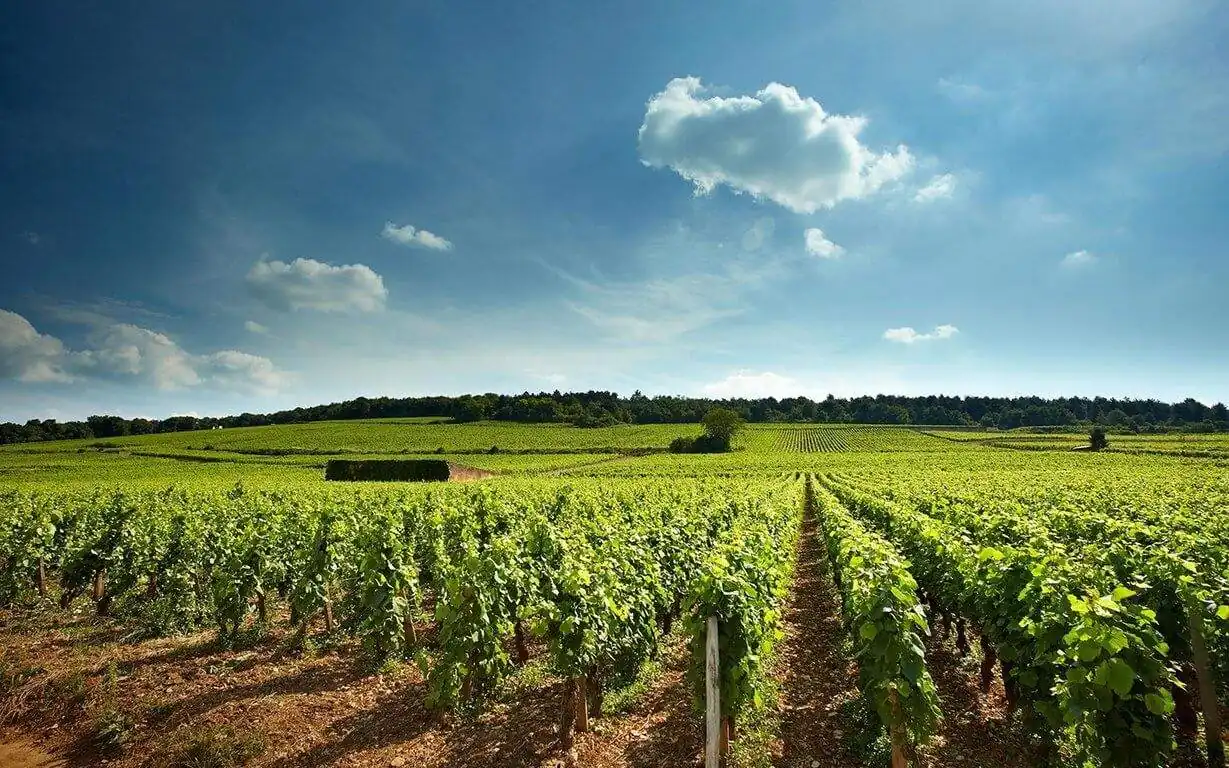
Domaine Cécile Tremblay
Cécile Tremblay established her domaine in 2003 from a collection of family parcels she had never previously worked — a Chambolle-Musigny, a Chapelle-Chambertin, an Échezeaux, and several village and premier cru plots scattered across the Côte de Nuits. The address list reads like a wine education in itself. What she built from it, alone and without the support structure of an established domaine, is one of the more quietly remarkable stories in recent Burgundy.
The conversion to certified organic farming was completed in 2005, followed by certified biodynamic practice in the following decade. The decision was driven by what Tremblay observed in the vineyards: that the old vines she inherited responded to biodynamic management with an aromatic intensity and a structural precision that conventional farming suppressed, and that the grand cru parcels in particular — already among the most celebrated addresses in Burgundy — expressed their sites with a depth that only emerged when the soil biology was functioning fully.
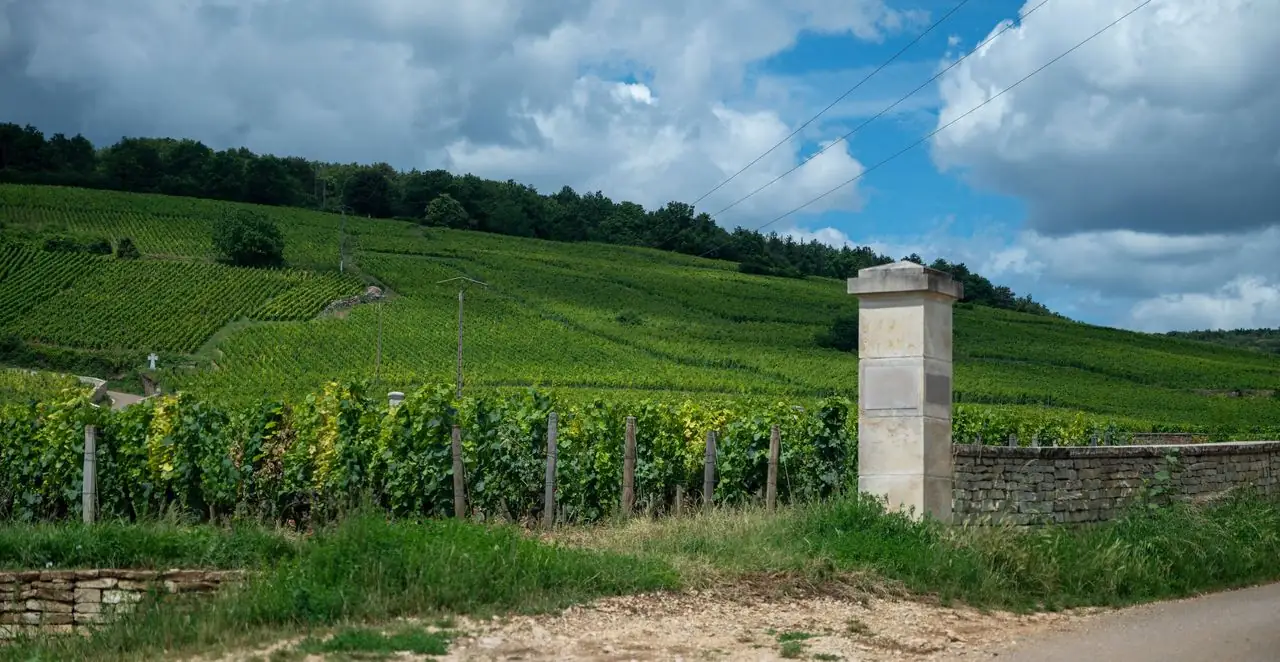
The wines have drawn 97-98 point assessments from Winelens and Grands Jours de Bourgogne, and the Échezeaux Grand Cru is considered by Burgundy specialists to be among the most precise expressions of that vineyard available. Production is small, allocation is limited, and demand from collectors is substantial.
Tremblay is the kind of small producer the Burgundy market tends to discover late and then regret having missed.